
Litecoin is one of the longest-running cryptocurrencies in the market. Launched in 2011, it was designed as a peer-to-peer digital currency that could make transferring value directly between users simple and efficient.
If you are considering buying Litecoin or simply want to understand it better, it helps to know how the network works, what makes LTC different from Bitcoin, and how you can safely buy and store it. This guide covers the fundamentals of Litecoin from its origins to using LTC today.
What Is Litecoin?
Litecoin is a decentralized peer-to-peer cryptocurrency that allows users to send and receive digital value without relying on a bank to process each transaction. Its native cryptocurrency is Litecoin, which trades under the ticker LTC.
Like Bitcoin, Litecoin operates on a blockchain. Transactions are recorded on a distributed public ledger maintained by a network of participants rather than a single company or financial institution.
Litecoin was created in 2011 by Charlie Lee, a former Google engineer. Its code was based on Bitcoin, but Litecoin introduced several differences intended to make it suitable for frequent transactions.
More than a decade later, Litecoin remains an actively maintained cryptocurrency. RockItCoin also supports Litecoin purchases at its Bitcoin ATMs, alongside Bitcoin, Ethereum, and Bitcoin Cash.
How Does Litecoin Work?
Litecoin operates through a decentralized blockchain network.
When someone sends LTC, the transaction is broadcast to the Litecoin network. Network participants verify transactions, and valid transactions are eventually included in blocks on the blockchain. Once recorded, that transaction becomes part of Litecoin’s transaction history.
This system allows users to transfer LTC from one compatible wallet to another without requiring a traditional bank to approve the payment.
Every Litecoin wallet has addresses that can be used to receive LTC. When sending Litecoin, it is important to confirm that you are using the correct address and network. Cryptocurrency transactions generally cannot simply be reversed if you send funds to the wrong destination.
What Is LTC?
LTC is the ticker symbol for Litecoin. Similar to how Bitcoin is represented as BTC, Litecoin is represented as LTC on crypto platforms, wallets, market trackers, and Bitcoin ATMs.
LTC is the actual digital asset transferred across the Litecoin blockchain. People can hold LTC in compatible cryptocurrency wallets or send it to other Litecoin addresses.
You also do not necessarily have to acquire a whole Litecoin. LTC can be divided into smaller units, allowing users to purchase or transfer fractional amounts.
Litecoin vs. Bitcoin: What’s the Difference?
Litecoin and Bitcoin share many characteristics because Litecoin was originally based on Bitcoin’s code. Both are decentralized cryptocurrencies that use Proof of Work and have predetermined maximum supplies. However, they are separate networks with separate cryptocurrencies.
One major difference is supply. Bitcoin has a maximum supply of 21 million BTC, while Litecoin has a maximum supply of 84 million LTC.
Their block times are also different. Bitcoin targets approximately 10 minutes between blocks, while Litecoin targets approximately 2.5 minutes. This means new blocks are generally produced more frequently on the Litecoin network.
The cryptocurrencies also use different Proof-of-Work mining algorithms. Bitcoin uses SHA-256, while Litecoin uses Scrypt.
These differences do not mean that Litecoin is simply a faster version of Bitcoin. Each operates independently, has its own blockchain, and has developed its own ecosystem.
What Is Litecoin Used For?
Litecoin was designed primarily as a digital payment and transfer network.
Common uses for LTC include:
- Sending cryptocurrency to another person
- Receiving digital payments
- Paying participating merchants
- Transferring value between compatible wallets
- Holding LTC as a digital asset
Because Litecoin can be transferred directly between wallets, it can provide an alternative to payment methods that depend on traditional financial intermediaries.
However, LTC’s market value can fluctuate significantly. Cryptocurrency should not be confused with cash held in a bank account, and anyone buying LTC should understand the risks associated with digital assets.
What Is Litecoin Mining?
Litecoin uses a Proof-of-Work consensus mechanism. Mining is the process that helps secure the network, validate activity, and add new blocks to the Litecoin blockchain.
Litecoin miners use specialized computing equipment to compete to solve cryptographic problems. When a miner successfully produces a valid block, that block can be added to the blockchain.
In return, miners can receive newly issued LTC through a block reward along with applicable transaction fees.
Mining also plays an important role in Litecoin’s security. Instead of relying on a central organization to maintain the transaction ledger, Litecoin uses its distributed network and Proof-of-Work system.
What Is Litecoin Halving?
Like Bitcoin, Litecoin has a halving mechanism built into its monetary system.
A Litecoin halving reduces the block reward miners receive by 50%. Halvings occur after every 840,000 blocks, which works out to roughly every four years based on Litecoin’s targeted block time.
The halving process gradually reduces the rate at which new LTC enters circulation. This continues until Litecoin approaches its maximum supply of 84 million LTC.
Halvings often receive attention from crypto users because they affect Litecoin’s issuance rate. However, a halving does not guarantee that Litecoin’s market price will rise or fall.
How Fast Are Litecoin Transactions?
One reason Litecoin is frequently discussed as a payment-focused cryptocurrency is its block time.
Litecoin targets a new block approximately every 2.5 minutes. That is shorter than Bitcoin’s approximately 10-minute target.
However, a shorter block time does not mean every Litecoin transaction will be considered complete in exactly 2.5 minutes. Confirmation requirements can vary depending on the wallet, service, recipient, and network conditions.
If you send LTC, you can use a Litecoin-compatible block explorer to follow the transaction’s progress and see how many confirmations it has received.
What Are the Fastest Ways to Buy and Send Litecoin Instantly?
If you need to buy or send Litecoin quickly, there are several options available to you. The best option depends on whether you want to pay with cash, a debit card, or funds already available in a crypto account.
Common ways to buy Litecoin quickly include:
- Crypto ATMs: Crypto ATMs, like RockItCoin, allow you to securely buy Litecoin with cash and have the LTC sent directly to your compatible crypto wallet.
- Cryptocurrency exchanges: Many exchanges let verified users purchase Litecoin using available account funds, a linked bank account, or other supported payment methods.
- Crypto apps: Some cryptocurrency and financial apps support Litecoin purchases, although payment methods and withdrawal availability vary by provider.
If you already own LTC, you can send it by entering or scanning the recipient’s Litecoin wallet address, choosing the amount, reviewing the transaction details, and confirming the transfer.
Litecoin targets a block approximately every 2.5 minutes, but transaction and confirmation times can vary based on network conditions and the receiving service’s requirements.
Are There Fees for Sending Litecoin?
Yes. Litecoin transactions generally include a network fee.
Network fees help compensate miners for processing transactions and maintaining the blockchain. The amount you pay can vary depending on factors such as transaction data and network conditions.
Network fees are different from fees charged by an exchange, ATM operator, or other cryptocurrency service. Before buying or transferring Litecoin, review the applicable transaction details so you understand what you are paying.
How Do You Buy Litecoin?
There are several ways to buy Litecoin. Depending on the service, you may be able to purchase LTC through an online cryptocurrency platform or with cash at a crypto ATM.
RockItCoin provides another option for people who prefer using cash. RockItCoin’s ATMs support purchases of Litecoin (LTC), Bitcoin (BTC), Ethereum (ETH), and Bitcoin Cash (BCH).
To purchase Litecoin at a supported RockItCoin ATM, you simply need to find a nearby crypto ATM location, select the option to buy coins, and follow the easy, on-screen instructions to complete the transaction.
Can You Buy Litecoin With Cash?
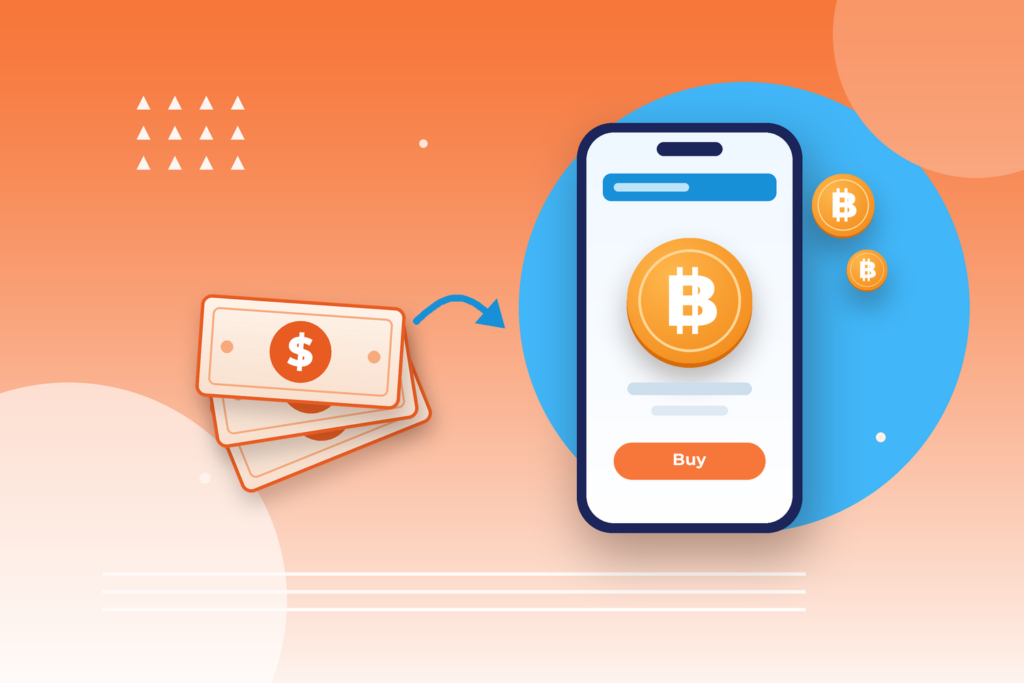
Yes. You can buy Litecoin with cash at a Bitcoin ATM, like RockItCoin. Despite the term “Bitcoin ATM,” RockItCoin machines support several cryptocurrencies, including LTC.
This can be useful if you want to turn physical cash into Litecoin without funding a purchase through a traditional bank transfer.
Before visiting, make sure you have a compatible Litecoin wallet ready to receive your LTC. You should also review the ATM’s current transaction requirements and pricing before completing your purchase.
How Do You Store Litecoin?
To control and use Litecoin, you need a digital cryptocurrency wallet that supports LTC.
Crypto wallets do not literally store coins inside your phone or computer. Instead, they manage the cryptographic keys that allow you to access and control assets associated with addresses on the blockchain.
Wallets generally fall into two broad categories:
Hot Wallets
Hot wallets are connected to the internet and can be convenient for frequent transactions. Mobile and desktop wallets commonly fall into this category.
Cold Wallets
Cold wallets keep private keys offline. Hardware wallets are a common example and may be preferred by users who want offline storage for longer-term holdings.
Whichever option you choose, protecting your private keys and recovery information is essential. Anyone who gains access to the credentials controlling your wallet may be able to control your crypto.
Is Litecoin Safe?
The Litecoin blockchain uses cryptography, Proof of Work, and a decentralized network to maintain its transaction ledger. However, using cryptocurrency still involves risks.
Many crypto losses do not come from someone “breaking” a blockchain. They can result from scams, compromised accounts, stolen private keys, malicious software, or users sending crypto to the wrong wallet.
A few basic precautions can reduce your exposure:
- Never share private keys or recovery phrases
- Verify wallet addresses before sending LTC
- Use trusted cryptocurrency services
- Be suspicious of anyone demanding payment in cryptocurrency
- Never send LTC because an unexpected caller claims to represent the government, law enforcement, a utility company, or another organization
Once cryptocurrency has been sent, transactions are generally irreversible. Take the time to verify what you are doing before approving a transfer.
Litecoin Frequently Asked Questions
Is Litecoin the same as Bitcoin?
No. Litecoin and Bitcoin are separate cryptocurrencies operating on independent blockchain networks. Litecoin was based on Bitcoin’s code but has different technical characteristics, including its block time, maximum supply, and mining algorithm.
Who created Litecoin?
Litecoin was created by software engineer Charlie Lee and launched in 2011.
What does LTC stand for?
LTC is the ticker symbol used to represent Litecoin.
How many Litecoins are there?
Litecoin has a maximum supply of 84 million LTC. New LTC enters circulation through mining, with the rate of issuance periodically reduced through Litecoin halvings.
Is Litecoin decentralized?
Litecoin is designed as a decentralized peer-to-peer network. Transactions and blocks are processed through distributed network participants rather than a central bank.
Can I buy part of a Litecoin?
Yes. Litecoin is divisible, so you do not need to purchase an entire LTC.
Can I buy Litecoin at a Bitcoin ATM?
Yes, if the Bitcoin ATM supports Litecoin. RockItCoin ATMs allow customers to purchase LTC with cash in addition to several other supported cryptocurrencies.
Buy Litecoin With Cash at a RockItCoin ATM
Whether you are buying your first LTC or already have a crypto wallet, RockItCoin provides a convenient way to purchase Litecoin with cash or card. With 2,500+ Bitcoin ATMs across the United States, RockItCoin makes it easy to find a location and purchase supported cryptocurrencies directly to your wallet.
Ready to buy Litecoin? Visit RockItCoin’s location finder to find your nearest Bitcoin ATM and get started.